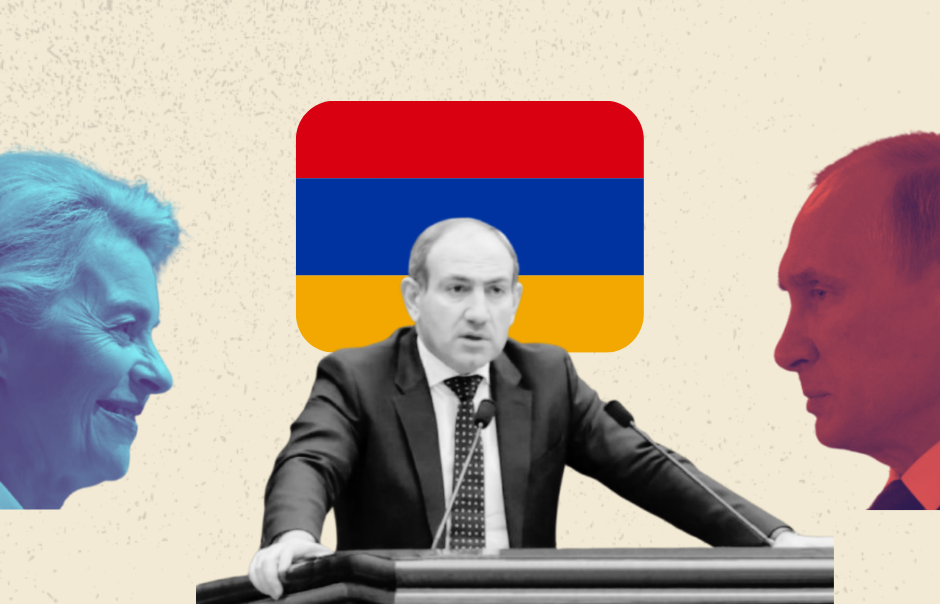
On August 24, 2026, Armenian Prime Minister Nikol Pashinyan announced his intention to begin the process of applying for membership in the European Union, which involves a formal application by the Armenian government and the European Council issuing Armenia candidate status.
This may not seem like a big deal to most readers. Armenia is a small country of only 2.8 million people, and sandwiched between its larger neighbors, Turkey and Russia, it occupies a small geographical area that lacks the oil-rich reserves of its eastern neighbor Azerbaijan.
However, this announcement is, in reality, a seismic shift for the country and the Caucasus, a region that has traditionally been under Russia’s thumb. But what does this application mean in reality? Let’s find out.

Prime Minister Pashinyan, center, talking in government. Source: Wikipedia

What’s Armenia’s Foreign Policy?
Armenia, a country that was part of the Soviet Union until its dissolution in 1991, has traditionally been a strong participant in the Russian-led Collective Security Treaty Organization (CSTO), a military alliance similar to NATO that promotes military cooperation and collective defense. It signed the original Collective Security Treaty in 1992 and became a full CSTO member in 1994, initially viewing the pact as a strong guarantee of its independence in the volatile Caucasus region.
However, Armenia’s membership in the CSTO became increasingly strained in the 2020s. With rising tensions between Armenia and its eastern, belligerent neighbor Azerbaijan over control of the majority-Armenian territory Nagorno-Karabakh, the Second Nagorno-Karabakh War broke out in 2020. However, Russia failed to intervene to support Armenia despite the two countries’ membership in CSTO, with President Vladimir Putin declaring that Russian troops would not militarily support the country. Two years later, Russia again failed to support Armenia during renewed fighting with Azerbaijan along the border, even refusing to provide military aid.
These repeated instances of Russian refusal to meet its commitments to Armenia’s security and defense deeply frustrated the Armenian government and populace, who began questioning the country’s commitment to maintaining close relations with Moscow. This set the stage for the country’s strategic realignment to the West.
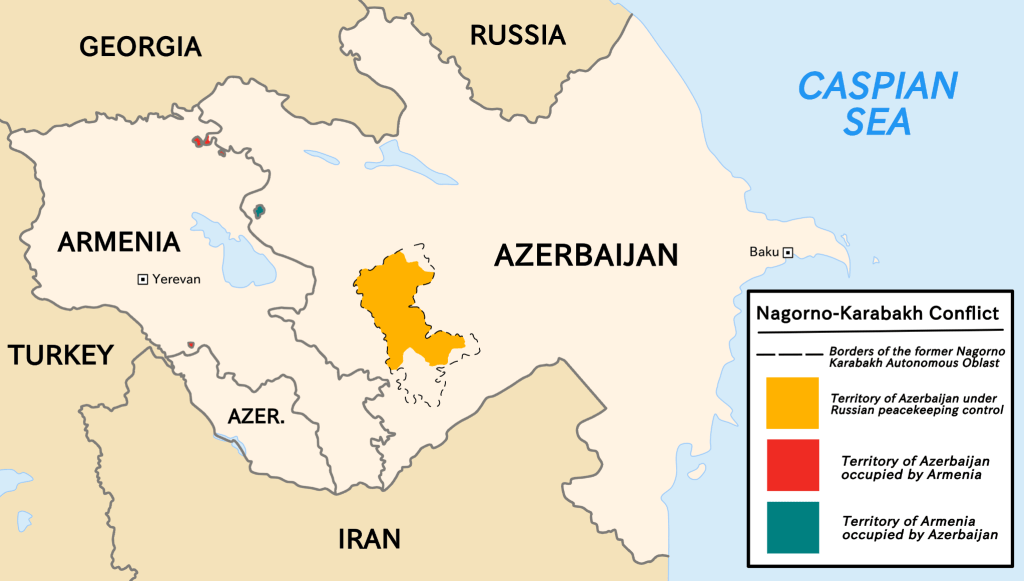
A map of the Caucasus, including disputed territory Nagorno-Karabakh. Russia’s refusal to support Armenia in its conflict over the land greatly angered Yerevan, which viewed Russia as unreliable. Source: Wikipedia

Why is Armenia Applying Now?
Armenia’s current government, which is led by Prime Minister Nikol Pashinyan, was greatly bolstered by the results of the 2026 Armenian parliamentary elections, which saw the country decisively vote for the pro-Western Civil Contract Party.
This support effectively gives Pashinyan a mandate to pursue closer ties with the West and European countries without angering the Armenian people.
In addition, Armenia is also hoping to take advantage of a Russia distracted with its costly conflict in Ukraine to pursue integration with the European Union. With Moscow losing over 1,600 soldiers just yesterday and many of its traditional post-Soviet allies distancing themselves from the beleaguered government, it largely lacks the economic and military resources to intimidate Armenia into submission.
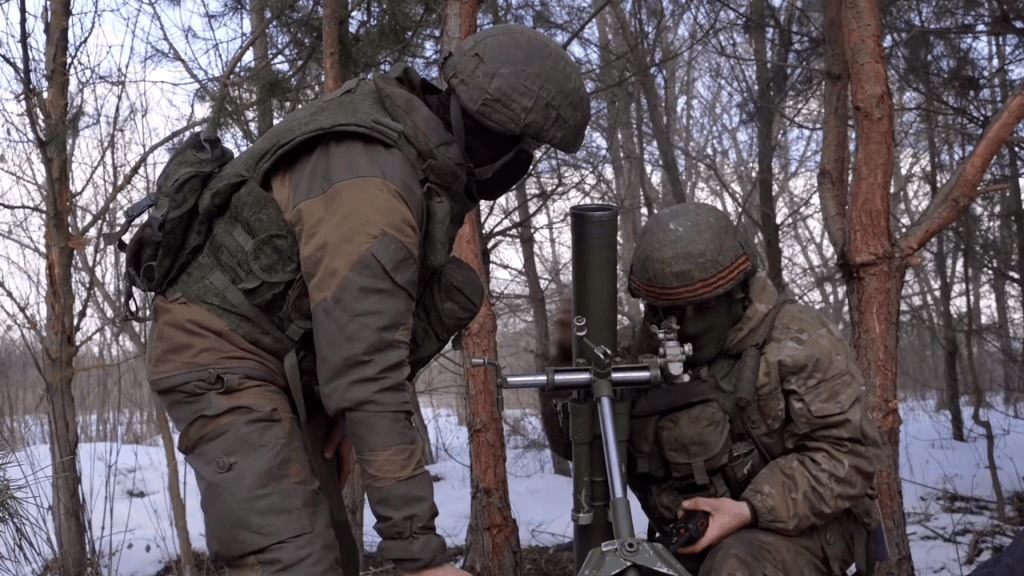
Russian troops in northeastern Ukraine in 2023. Russia has been recently facing issues with its increasingly smaller pool of eligible men, with the country taking heavy casualties in Ukraine as the war enters its fourth year. Source: Wikipedia

What Are the Next Steps?
For Armenia to fully integrate into the European Union and become its next member, the country must meet stringent requirements and undergo a years-long process to reaffirm and strengthen its democratic institutions, liberalize its economy, and secure unanimous support from existing EU members.
First, Armenia must formally submit a membership application to the European Union, a step the government plans to take very soon. Once the application is received, Brussels will assess Armenia’s ability to meet the membership criteria. Then all EU members must signal their support for Armenia’s accession.
Afterward, membership negotiations begin, with Armenia opening talks to reform and improve itself across 33 negotiating chapters covering topics from government affairs to economic stability. Throughout these negotiations, the Commission monitors the candidate’s progress on these reforms and keeps the EU informed through monthly reports.
After the 33 negotiating chapters are closed and the Commission signals its approval, an accession treaty will be drafted to cover the terms and conditions of Armenia’s EU membership. When this treaty is ratified by every EU member state, Armenia will formally join the bloc on the specified date.
This long process was previously completed by the Balkan state Croatia, which joined the EU in 2013 after around six years of negotiations. However, given Armenia’s greater political and economic differences compared to its European counterparts, negotiations are expected to take longer.
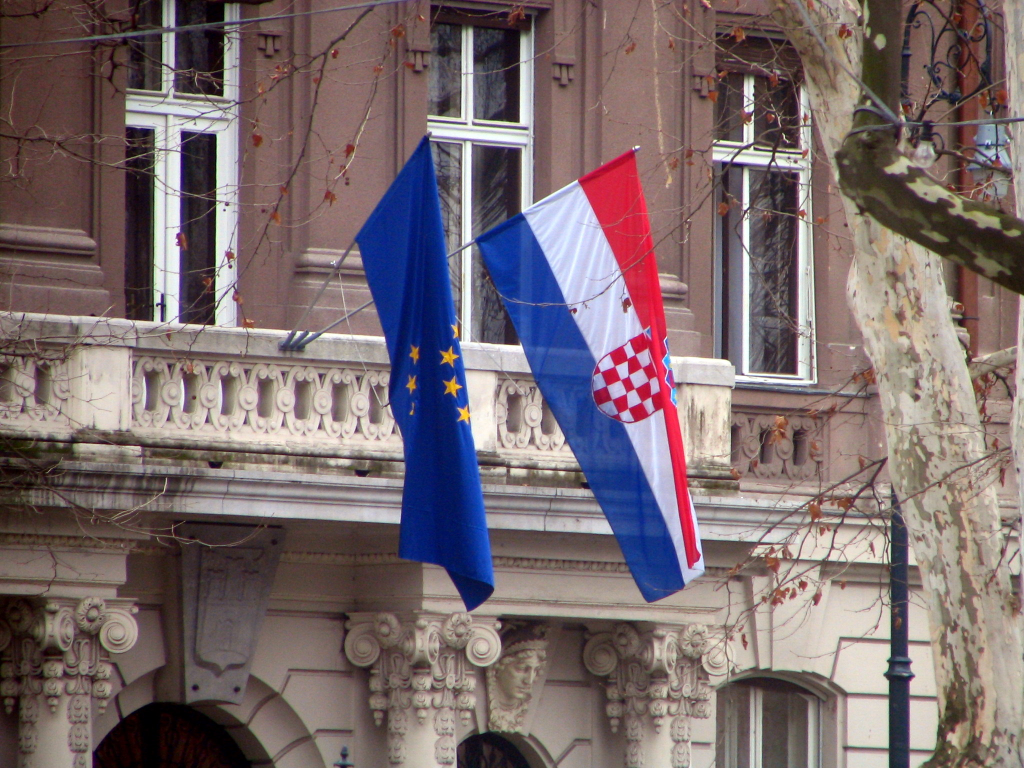
A European Union flag and a Croatian flag. Croatia became the latest country to join the European Union in 2013, around 10 years after it applied. Source: Bogdan on Wikipedia

Leave a Reply